DIY Car Detailing Tips: What You Can Do at Home and When to Call the Experts


Introduction to DIY Car Detailing
Keeping your car in pristine condition not only enhances its aesthetic appeal but also extends its lifespan. While professional detailing services can work wonders, there are many steps you can take at home to maintain your vehicle's shine. Let’s explore some DIY car detailing tips and learn when it might be best to call in the experts.
Exterior Detailing Tips
Washing Your Car
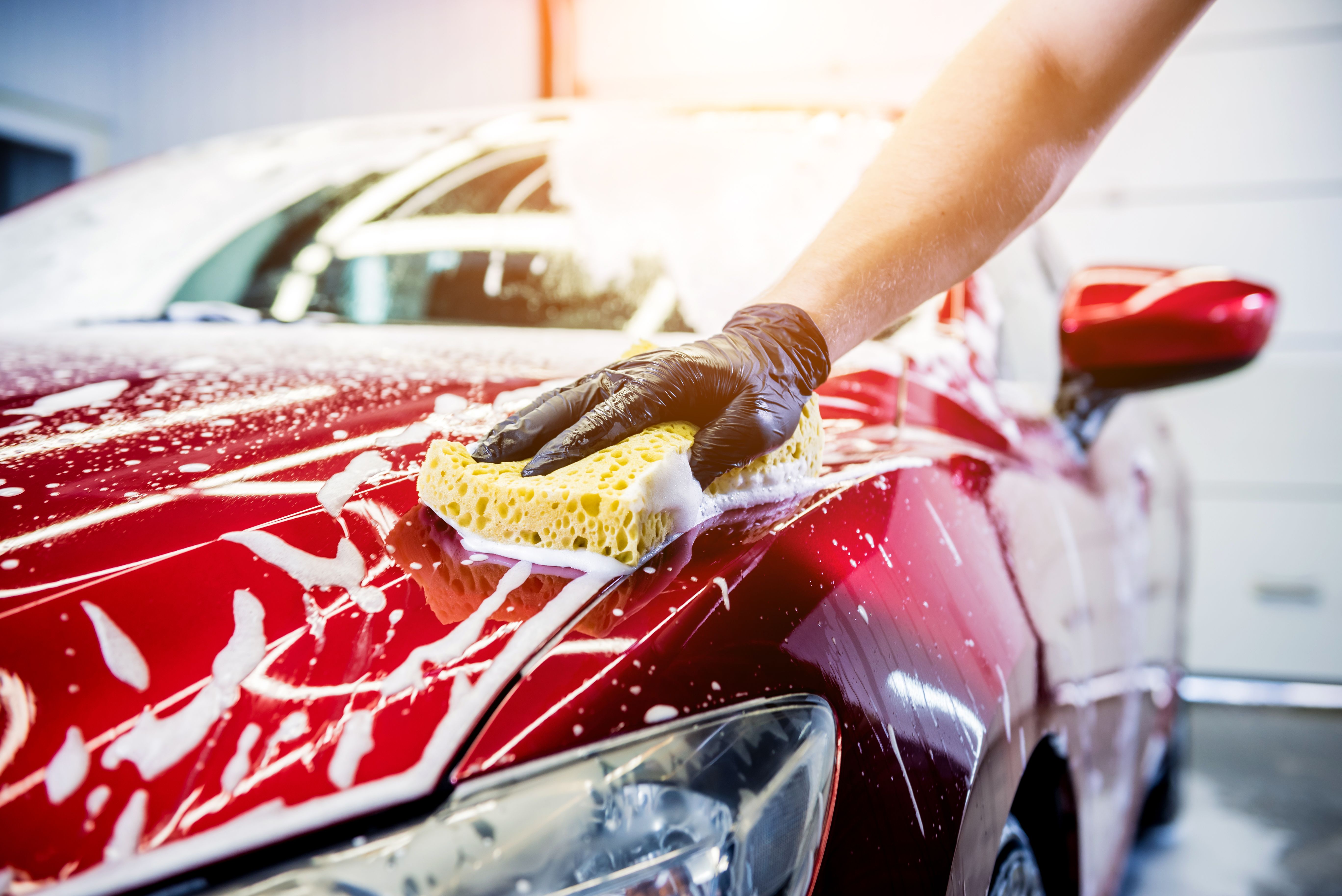
Start by gathering the right materials: a high-quality car wash soap, a microfiber wash mitt, and two buckets—one for soapy water and one for rinsing. Begin from the top and work your way down, ensuring you rinse the mitt frequently to avoid scratching the paint. Remember, using dish soap can strip off wax protection, so stick to products designed for cars.
Waxing for Protection
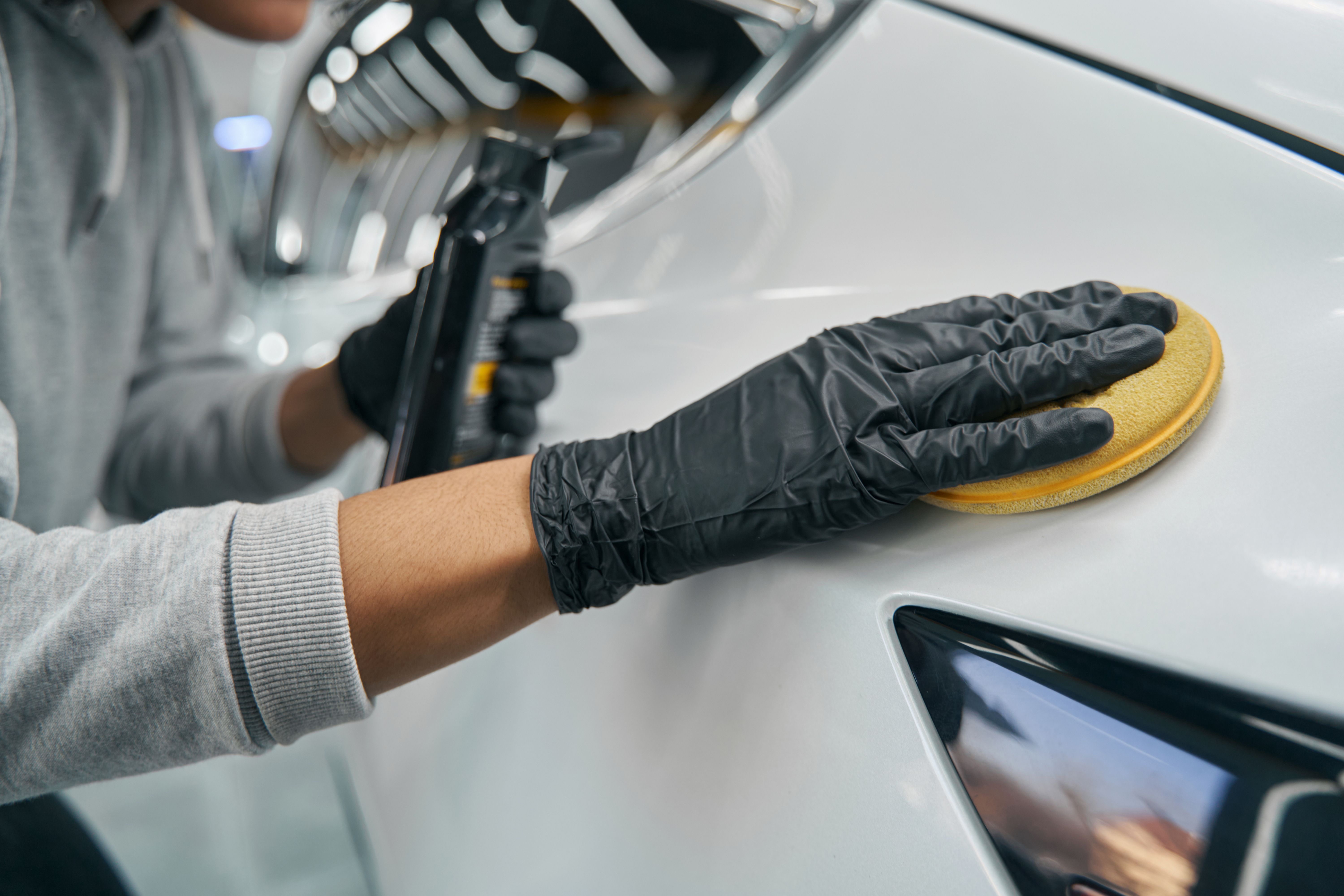
Waxing not only gives your car a glossy finish but also provides a protective barrier against environmental elements. After washing, apply a quality car wax using a foam applicator pad in small, circular motions. Buff with a microfiber towel for a brilliant shine. Aim to wax your car every three months for optimal protection.
Interior Detailing Tips
Cleaning the Upholstery
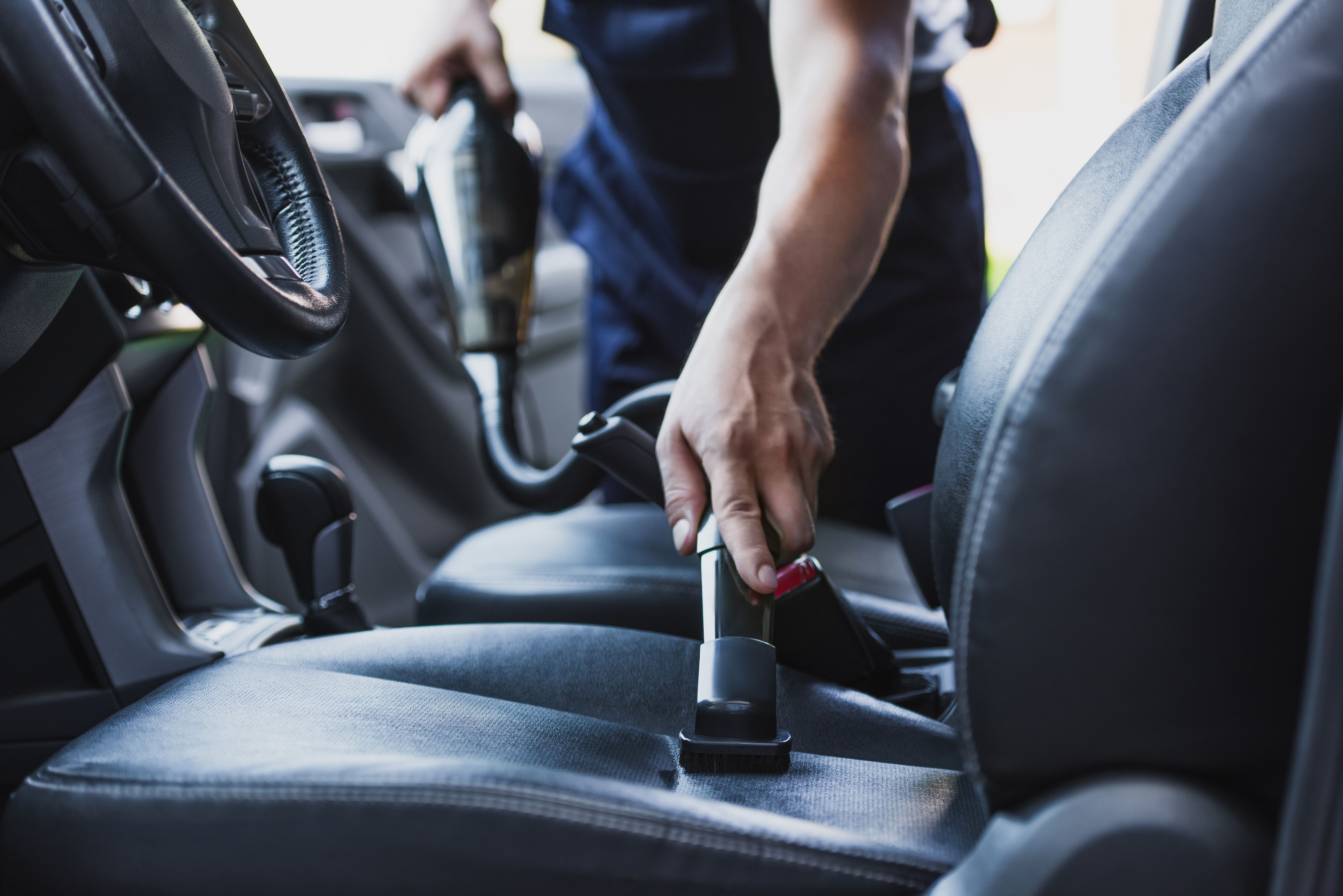
For fabric seats, use a vacuum to remove debris, then apply a fabric cleaner. For leather interiors, use a leather cleaner and conditioner to maintain suppleness and prevent cracking. Pay attention to the seams and crevices where dirt tends to accumulate.
Dashboard and Console
Dust and grime can quickly build up on your dashboard and console. Use a microfiber cloth and a mild cleaning solution to wipe these surfaces. Avoid using products with a greasy finish, which can attract more dust.
When to Call the Experts
Dealing with Tough Stains
Some stains, like those from oil or ink, can be incredibly stubborn. If your DIY efforts aren’t yielding results, it might be time to consult a professional. Experts have access to specialized products and equipment designed to tackle tough stains without damaging your car's surfaces.
Paint Correction
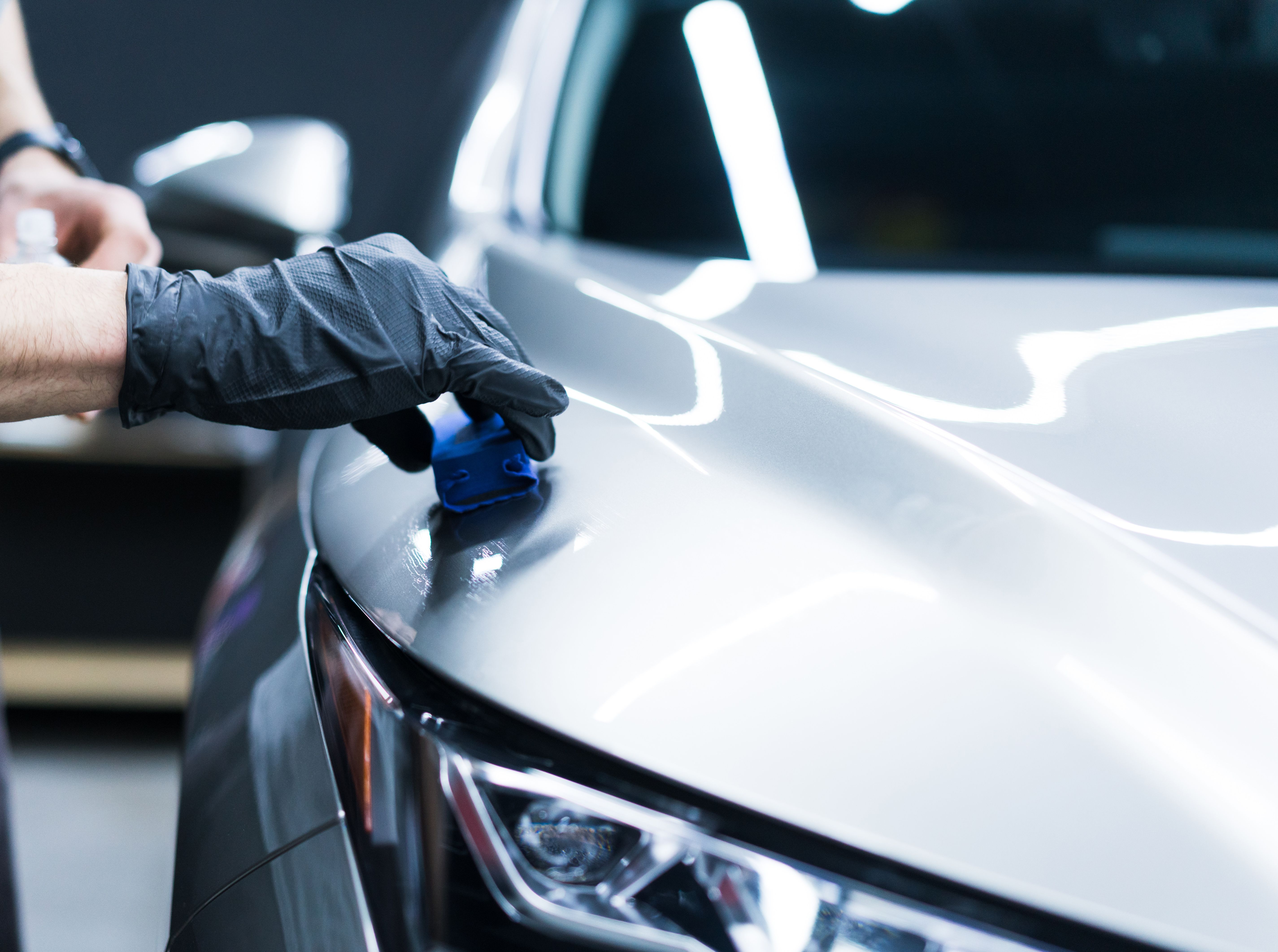
If your car's paint has deep scratches or swirl marks, professional paint correction might be necessary. This process involves polishing and compounding, which requires precision to avoid damaging the paint further. Professionals can ensure a flawless finish, restoring your car’s original beauty.
Conclusion
While DIY car detailing can be both satisfying and cost-effective, knowing when to call in the experts is crucial. By combining regular at-home maintenance with occasional professional services, you can keep your car looking and performing its best. Enjoy the process and take pride in your ride!